Buying in Eldorado and want to move fast without missing anything important? You are not alone. When homes are in demand, inspection windows can be short and decisions come quickly. This guide shows you what to inspect in Eldorado at Santa Fe, how to prioritize tests, the timelines to expect, and how findings usually play out in negotiations. Let’s dive in.
What your Eldorado inspection covers
General home inspection
A general inspection is your baseline. The inspector reviews structure, exterior and stucco, roof and attic, doors and windows, plumbing and electrical, basic HVAC operation, visible foundation areas, and fireplaces or wood stoves. Expect 2 to 4 hours on site with a written report within 24 to 48 hours. Schedule this right after your offer is accepted.
Septic system evaluation
Many homes in the area use private septic systems. An evaluation often includes a pump-out, visual component check, and a review of the leach field. Scheduling can take several days, so book early. Costs commonly range from about $300 to $700, with more for complex evaluations.
Well inspection and water testing
If the property has a private well, plan both a functional check and water-quality testing. You should test for coliform bacteria and E. coli, nitrates, and an expanded panel that can include metals such as arsenic where relevant. Some lab results take 3 to 10 business days. Build that time into your contingency.
Pest inspection (WDI)
A wood-destroying insect inspection checks for termites, carpenter ants, wood rot, and fungal decay. These are sometimes required for certain loans. WDI appointments often fit into the same week as your general inspection.
Roof and solar review
Eldorado homes commonly have pitched shingles or low-slope roofs. Flashings at parapets, penetrations, and chimneys deserve a close look. If solar panels are present, consider a separate PV inspection to confirm installation quality, electrical components, and permits.
HVAC and radiant heating
Radiant in-floor heat, gas forced air, and combinations with wood stoves are common. Radiant systems can be costly if leaks or control issues are found, so a qualified technician is a smart add-on when these systems are present.
Chimneys and fireplaces
If the home has a fireplace or wood stove, a chimney sweep inspection can check liners, clearances, and creosote buildup. This is a safety item you should not skip if wood-burning appliances are part of the home.
Radon testing
Short-term radon tests typically run 2 to 7 days. Radon potential varies in New Mexico, so a quick test is a practical, low-cost way to understand exposure in the home you are buying.
Specialty inspections when indicated
If your inspector sees signs of structural movement, visible mold, or older materials that could contain asbestos or lead, you may bring in specialists. Structural engineers, industrial hygienists, or mold assessors provide deeper clarity and cost estimates if needed.
Local issues to expect in Eldorado
Stucco and exterior finishes
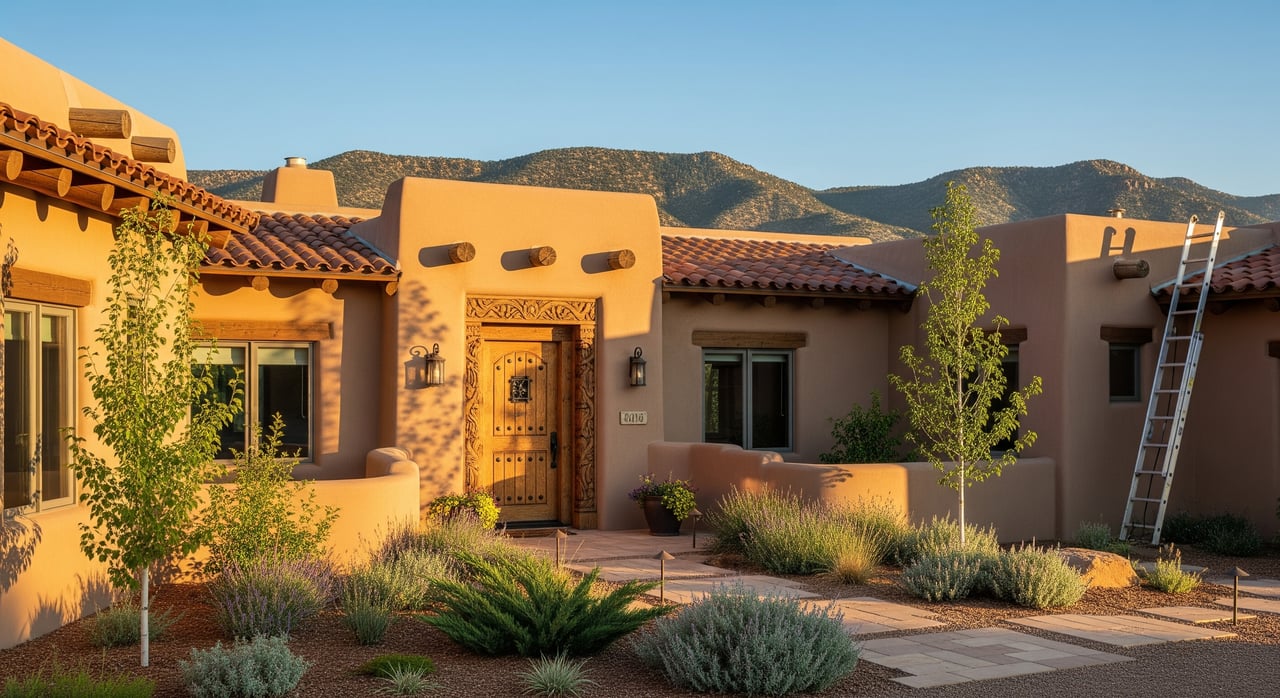
Stucco is common. Look for hairline cracks, especially around windows and doors, and check for proper flashing where roofs meet parapets or walls. Moisture intrusion can result from poor drainage or runoff, so grading and drip edges matter.
Roofs and flashing details
Flat or low-slope roofs need careful review of membranes and flashings. Parapets, skylights, and chimneys are frequent leak points. When solar is installed, confirm roof penetrations were done correctly and that permits match the work.
Foundations and soils
Parts of the region have expansive clay soils. Small to moderate slab cracks are common, but large stepped cracks, uneven floors, or doors and windows that stick may call for a structural engineer. Inspectors also watch for plumbing leaks that pass through the slab.
Heating systems
Radiant in-floor heat provides comfort but requires specialized service if repairs arise. Check the age and condition of boilers or furnaces, confirm fuel type, and look for maintenance records.
Water supply and quality
Homes may be on a private well or a community or municipal system. If on a well, water testing is essential. If on a community system, request the most recent water quality details and system documentation from the seller.
Sewage disposal
Septic systems are common outside incorporated areas. Performance depends on design, age, and maintenance history. A current evaluation helps you avoid costly surprises.
Pest and wood decay
Termites do exist in New Mexico. Moisture-related wood rot and fungal decay also occur, especially where water pools near the home. A WDI inspection identifies active issues and conducive conditions.
Wildfire and defensible space
In piñon-juniper zones, review vegetation clearance, roofing materials, and ember exposure. Inspectors do not certify wildfire readiness, so take time to evaluate defensible space and plan maintenance if needed.
Permits and additions
Unpermitted additions, fireplaces or stoves, and PV installations are not unusual. Your inspector may flag permit concerns. Verify with the applicable county planning office and request documentation or retroactive permits where needed.
Timeline and scheduling strategy
Typical contingency windows
- 7 days: Common for competitive offers. You need a fast schedule and clear priorities.
- 10 to 14 days: Typical in balanced markets.
- 14 days or more: Useful for complex properties or when lab tests and specialists are required.
A 7 to 10 day action plan
- Day 0: Offer accepted. Order the general home inspection immediately.
- Day 1 to 2: General inspection on site. While there, book septic, well, chimney, HVAC, roof, solar, and any other indicated specialists.
- Day 2 to 4: Receive the general report. Decide on follow-ups and confirm lab testing timelines for water or radon.
- Day 3 to 7: Most specialty reports arrive. Water labs or radon may take longer, so plan your negotiation timeline accordingly.
Cost ranges to budget
- General inspection: about $300 to $700, depending on size and age.
- Pest/WDI: about $75 to $300.
- Septic pump-out and evaluation: about $300 to $700, more if extensive testing is needed.
- Well and water testing: sampling and basic labs about $100 to $300, expanded panels more.
- Roof, chimney, HVAC, radiant, solar: often $150 to $500 each, more for detailed diagnostics.
- Radon: about $100 to $250 for a short-term test.
Note: Schedules and costs vary. Book early and confirm scope in writing so you can compare apples to apples.
Negotiating after the inspection
Common seller responses
Sellers often address health and safety issues, code concerns, and major system failures. Cosmetic items are less likely to be approved in a competitive market. For bigger repairs, many sellers want licensed contractor bids to set scope and cost.
Remedies you can use
- Seller repairs before closing, with licensed contractors and permits when required.
- Monetary credit at closing to offset repairs you plan to handle after you move in.
- Price reduction to reflect the scope of work.
- Escrow holdback so repairs can be completed after closing, with funds released when work is verified.
- Walk-away, if your inspection contingency allows and the issues are material and unresolved.
Smart strategies in competitive offers
- Prioritize safety and major mechanical items in your request. Keep the list focused.
- Use a cap on requested credits or limit requests to specific categories to make your offer more acceptable.
- Offer quick response timelines for repairs, but require licensed work on major systems.
- Line up contractors early so you can get estimates fast and negotiate with data.
Buyer checklist for Eldorado
Before you write an offer
- Ask the listing agent what the home uses for water and sewer, private well and septic or community systems.
- Request HOA documents and CC&Rs if applicable.
- Ask for available permit history and documentation for additions, fireplaces or stoves, and solar.
- Do a quick drive-by assessment of roof lines, stucco condition, drainage, and vegetation.
Right after acceptance
- Book the general home inspection immediately.
- Schedule high-priority specialty inspections first, typically well and septic if present.
- Confirm your inspection contingency deadline and plan for lab timelines.
- Verify inspector and contractor credentials and insurance.
During negotiation
- Focus on health and safety, code issues, and major system failures.
- Provide contractor estimates or request licensed repairs with permits as required.
- If the seller resists repairs, suggest credits or escrow to keep the deal moving.
Before closing
- Verify completion of agreed repairs and keep receipts and warranties.
- Confirm permit sign-offs when applicable.
- Make sure any escrow items have clear, written scope and deadlines.
How county differences affect inspections
The Eldorado area sits within the broader Santa Fe region, and nearby municipalities or counties can have different utilities and permitting processes. Always verify whether your property is on private well and septic or on a community system, and confirm permits with the correct county office. If wildfire guidelines or water testing standards apply, request the most current information from the appropriate local authority.
Buying with confidence in Eldorado means combining swift scheduling with a sharp focus on the systems that matter most. If you plan ahead, you can meet a short contingency deadline and still protect your investment with the right tests and documentation.
When you want a local advocate to coordinate inspectors, prioritize what matters, and negotiate with clear strategy, connect with Donna Marie Burns. You will get hands-on guidance that fits Eldorado and the wider Santa Fe market.
FAQs
How long does the Eldorado inspection process usually take?
- Most buyers schedule the general inspection within 24 to 72 hours of acceptance, receive the report in 24 to 48 hours, and complete specialty tests within the first week. Water or radon labs can add several days.
Which inspections are essential for Eldorado at Santa Fe homes?
- A general home inspection is essential. If the property has a private well or septic system, plan those evaluations and water testing. Add pest, chimney, HVAC, roof, solar, and radon based on features and concerns.
What issues do sellers typically agree to address after inspections?
- Sellers commonly handle health and safety hazards, code concerns, and major system failures like roof leaks, HVAC breakdowns, or failed septic components. Cosmetic items are often declined in competitive markets.
What happens if a well or septic inspection finds a major problem?
- You can request repairs, credits, a price reduction, or use your contingency to cancel if allowed. Lenders may require remediation before closing when water or septic issues are significant.
Should I waive inspections to win a multiple-offer situation in Eldorado?
- Waiving inspections raises risk. A better approach is to keep the contingency but shorten the timeline and come in with a prioritized plan that targets the most important systems first.
Do I need a radon test for an Eldorado home purchase?
- Radon potential varies in New Mexico. A short-term test is fast and relatively low cost, which makes it a sensible add-on for peace of mind.